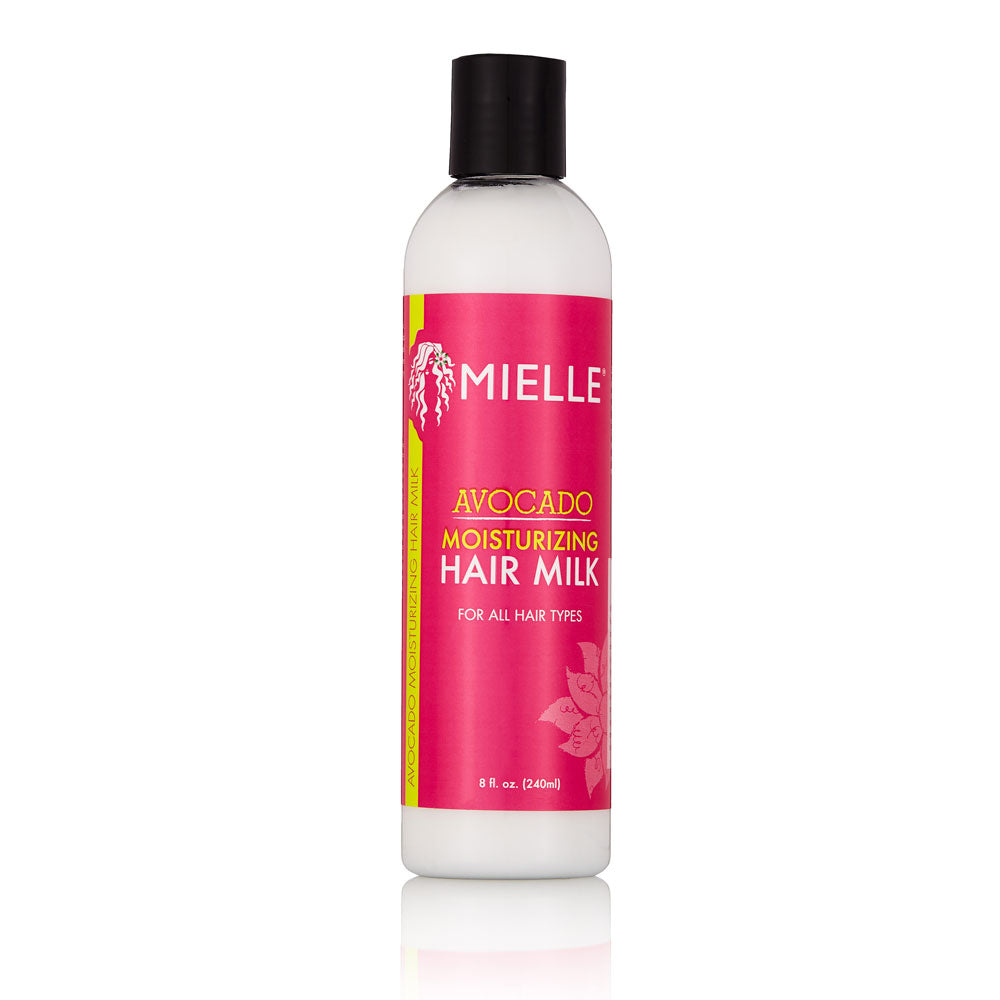

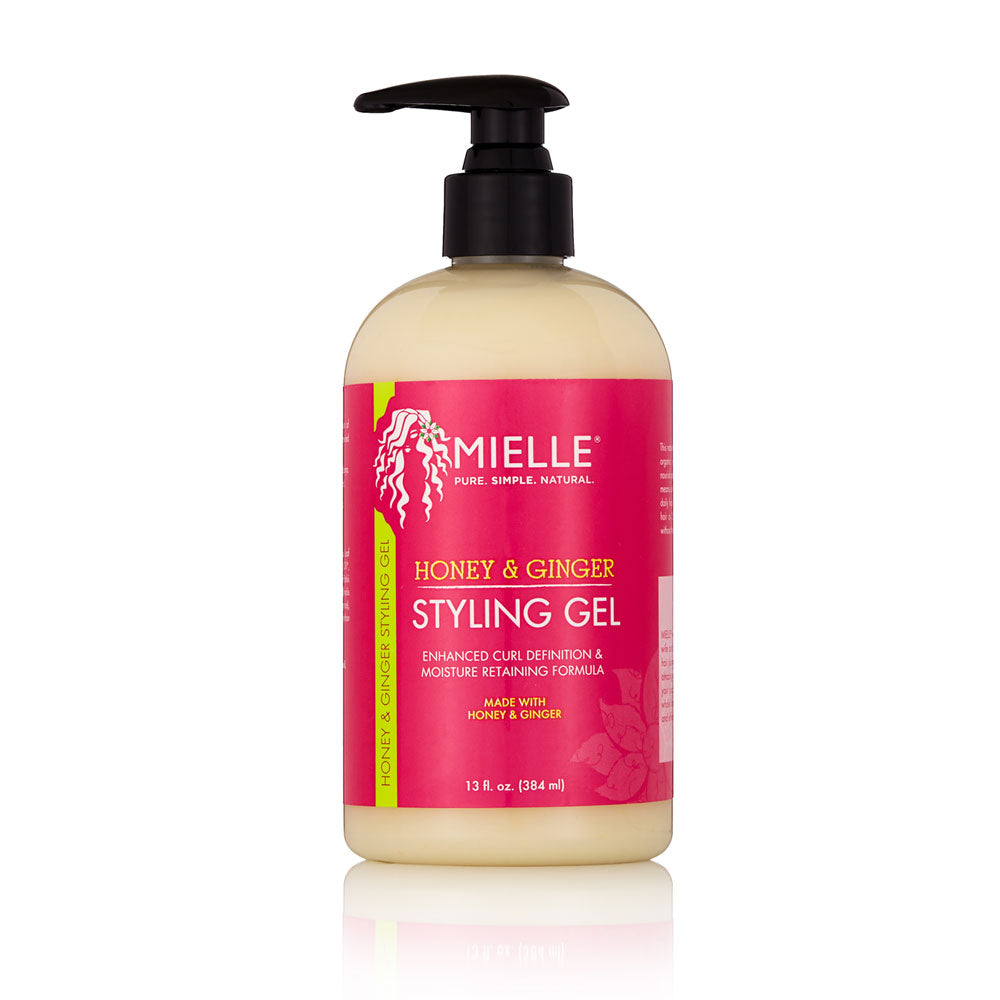


One bottle, plenty of assignments. From showing your scalp a little love to caring for your ends, here are five ways to work Rosemary Mint Oil into your routine for hair that feels up to 6X stronger.*
If our Rosemary Mint Scalp & Hair Strengthening Oil has a permanent spot on your shelf, we get it. That dropper has range.
The formula is made with 98% nourishing oils, and now includes Kew-verified Rosemary and Peppermint Oils, plus castor oil. It delivers targeted care from scalp to ends while leaving hair feeling up to 6X stronger against breakage.*
The best part? There’s more than one way to use it. Your technique can shift depending on what your scalp and strands need that day.
Before we get into all five, a quick reminder: more oil doesn’t always mean more care. Start with a small amount, focus it where you need it and add more only when necessary. Your scalp, strands and pillowcase will thank you.
Original or Light? Choose Your Fighter
Love the original but prefer a lighter finish? That’s where our Light Scalp & Hair Strengthening Oil comes in.
Both formulas are enriched with Pure Rosemary Extract and made with 98% nourishing oils, including Kew-verified Rosemary and Peppermint Oils. The difference comes down to the experience your hair prefers:
- Original Scalp & Hair Strengthening Oil: Made with castor oil for the richer, iconic Rosemary Mint experience and hair that feels up to 6X stronger against breakage.*
- Light Scalp & Hair Strengthening Oil: Made with grapeseed oil for a lighter feel and hair that feels up to 3X stronger against breakage.**
Thicker coily or curly strands may love the richer feel of the Original, while finer strands may prefer the lighter touch of the Light Oil. Either way, start with a few drops and build only where your scalp or strands need more.
1. Give Your Scalp Some Attention
When your scalp needs a little care between wash days, use the dropper for precise application.
Part your hair into sections, then apply a small amount directly to the exposed scalp. Gently massage it in with your finger pads using small circular motions to help distribute the oil.
A few scalp-oiling basics:
- Start small: A few drops can go a long way.
- Use your finger pads: Massage gently instead of scratching with your nails.
- Target where you need it: Focus on areas that feel dry or need added care.
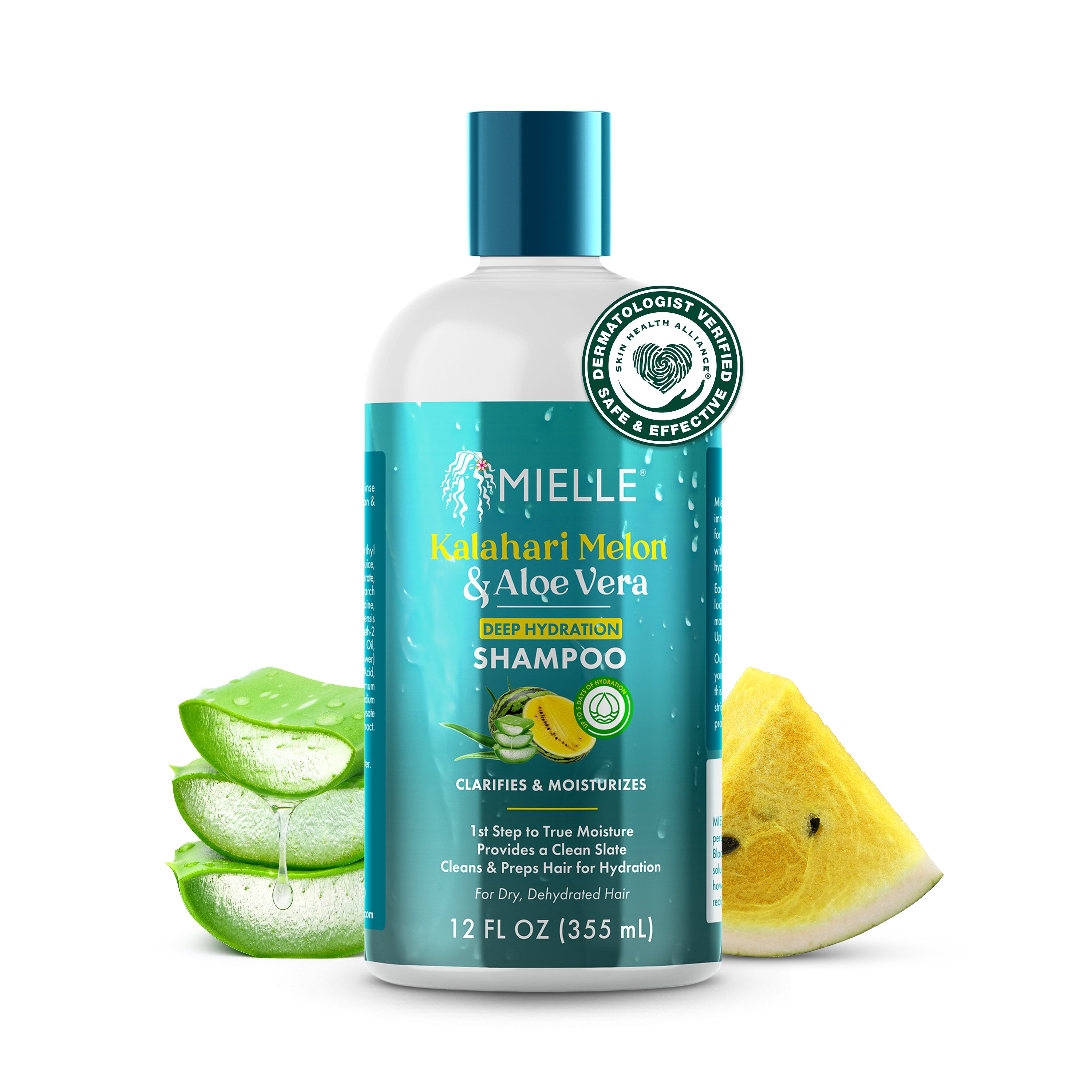
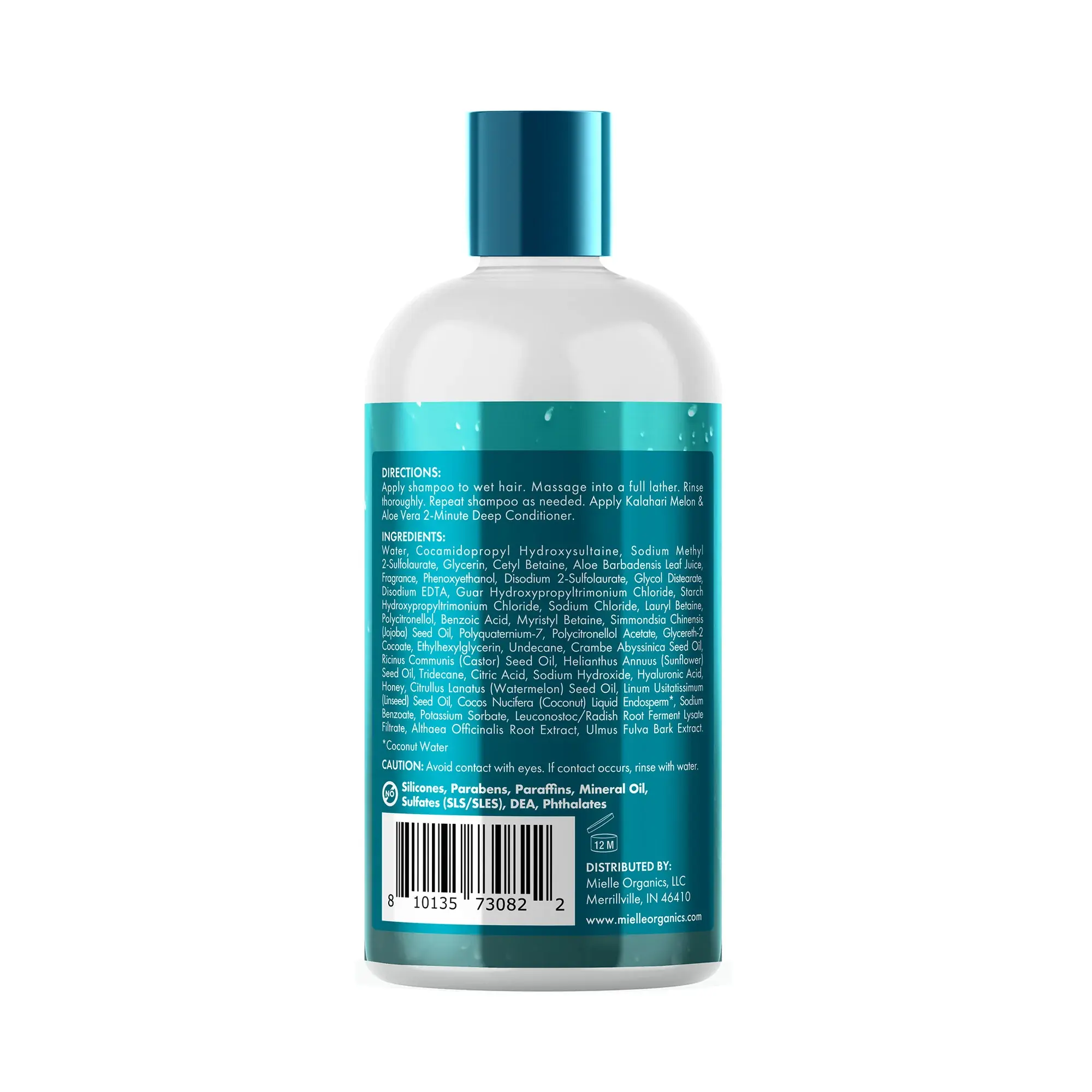
- Keep your wash routine in mind: If you’re oiling your scalp regularly, consistent cleansing helps keep excess oil and product buildup in check. Use the Rosemary Mint Shampoo and Conditioner to clean, strengthen and moisturize your scalp and hair before the next style.
For frequent scalp oiling, aim for no more than two to three applications per week and adjust based on how your scalp responds.

2. Add It To Your Wash Day Prep
Wash day starts before the water does.
Use the oil as a pre-shampoo treatment when your scalp and strands need more focused care before cleansing. Divide dry hair into sections and apply a small amount directly to the scalp, then smooth a few drops through areas that feel dry.
Massage gently, cover your hair with a processing cap and leave the oil on for 10 minutes before rinsing.
Then follow with the Rosemary Mint Strengthening Shampoo and Conditioner to cleanse, condition and leave strands feeling up to 8X stronger against breakage.***
Consider it the pregame before the full strengthening routine begins.
3. Care For Your Hair Under Protective Styles
Braids, twists, wigs, sew-ins and other protective styles can help reduce everyday manipulation, but the scalp underneath still deserves attention.
Use the dropper to apply a small amount directly to exposed areas between braids, parts or tracks. Keeping the nozzle close to the scalp can help you place the oil where you actually want it instead of coating the entire style.
For easier protective-style care:
- Apply lightly to help minimize excess buildup.
- Focus on exposed areas that feel dry or need added care.
- Gently massage or press the oil into the scalp.
- Smooth a little over exposed strands or ends as needed.
- Keep up with cleansing based on your scalp and style.
And remember, oil can support your routine, but it can’t make up for too much tension. If your protective style hurts or leaves your scalp feeling persistently sore or irritated, that may be a sign that it is too tight and putting the health of your scalp and hair at risk.
4. Show Your Ends A Little Extra Love
Your ends are the oldest part of your hair. They’ve been through the most cleansing, detangling and styling, so a little extra attention is only fair.
For everyday care, warm a few drops between your palms and smooth the oil over the last few inches of your hair. Start lightly so your ends feel nourished without becoming oversaturated.
Want to make it part of your wash day instead? Apply the oil to your ends before shampooing, cover with a processing cap and leave it on for 10 minutes. Rinse, then move into your regular cleansing routine.
Oil won’t repair a split end once it’s formed, so regular trims still deserve a place on the calendar. It can help keep dry-feeling ends conditioned as part of a routine designed to minimize breakage.
5. Smooth It Through Your Strands
Your scalp shouldn’t have all the fun.
Hair is made primarily of protein, but lipids also play an important role in how your strands look, feel and perform.
Research has found that these naturally occurring oils contribute to hair strength, shine, feel and manageability. They can also be lost over time through everyday stressors including repeated washing, chemical treatments and UV exposure.¹
That’s one reason oil can have a place beyond your scalp.
Smooth a small amount of Rosemary Mint Oil over your strands when they need added nourishment or shine. Try it:
- Over damp hair after your leave-in
- Through the lengths of a twist-out
- To help soften the cast on a wash-and-go
- Over dry strands when your style needs a little extra shine
Start at the mid-lengths and work toward the ends, using whatever remains on your hands closer to the roots if needed. Adjust the amount based on your hair’s density, strand size and style.
If your hair starts to feel coated, dull or heavy, it may be time to cleanse instead of adding another layer.
Sometimes your hair is simply saying, “We’re good on oil for now.”
One Oil, Five Ways To Make It Yours
Rosemary Mint Scalp & Hair Strengthening Oil was made to move with your routine.
Use it to care for your scalp, prep for wash day, maintain a protective style, show your ends some attention or bring added nourishment and shine to your strands.
You don’t need to do all five at once. Choose what makes sense for your hair in the moment, begin with a few drops and pay attention to how your scalp and strands respond.
FAQ
- What is Rosemary Mint Scalp & Hair Strengthening Oil designed for? The oil is designed for scalp and hair care, providing nourishment to your scalp and strength to your strands.
- What is the difference between the Rosemay Mint original and light oil? The original oil has a thicker consistency and is a great solution for thicker curly or coily hair. The light formula works best for those with thin, fine strands.
- How do I use the oil to nourish my scalp? Use the dropper to apply a small amount directly to the exposed scalp between braids, parts, or tracks, then gently massage or pat it in and style as desired. Make sure when applying oils to your scalp that you keep up with your wash routine, washing with the Rosemary Mint Shampoo at least once every 1-2 weeks.
- Can I use the oil on my hair too? Yes. Apply the oil to your scalp and down the length of your hair, starting with a little and adding more depending on your final style.
References
- Marsh, J. M., Whitaker, S., Felts, T., Shearouse, W., Vatter, M., Määttä, A., Thompson, M., & Hawkins, T. J. (2018). Role of internal lipids in hair health. Journal of Cosmetic Science, 69(5), 347–356.
* versus untreated hair.
** versus untreated hair.
*** versus a non-conditioning shampoo.