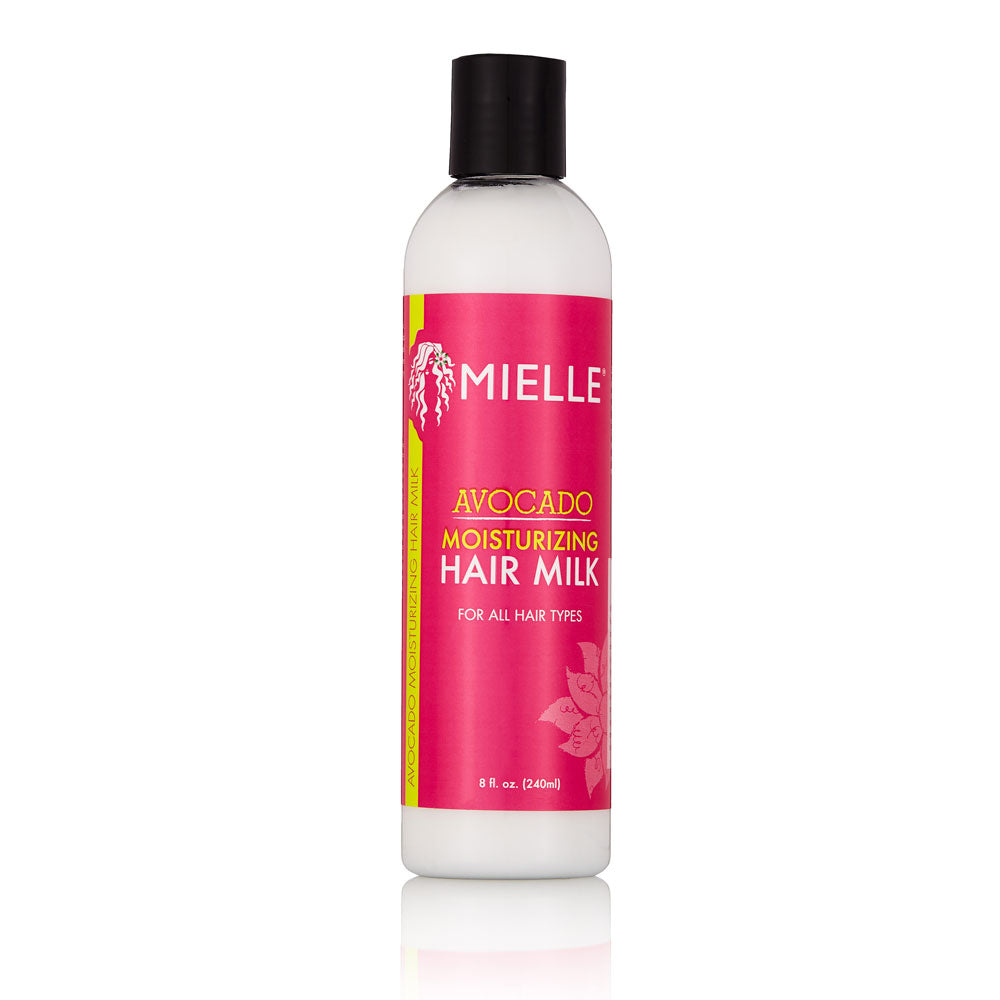

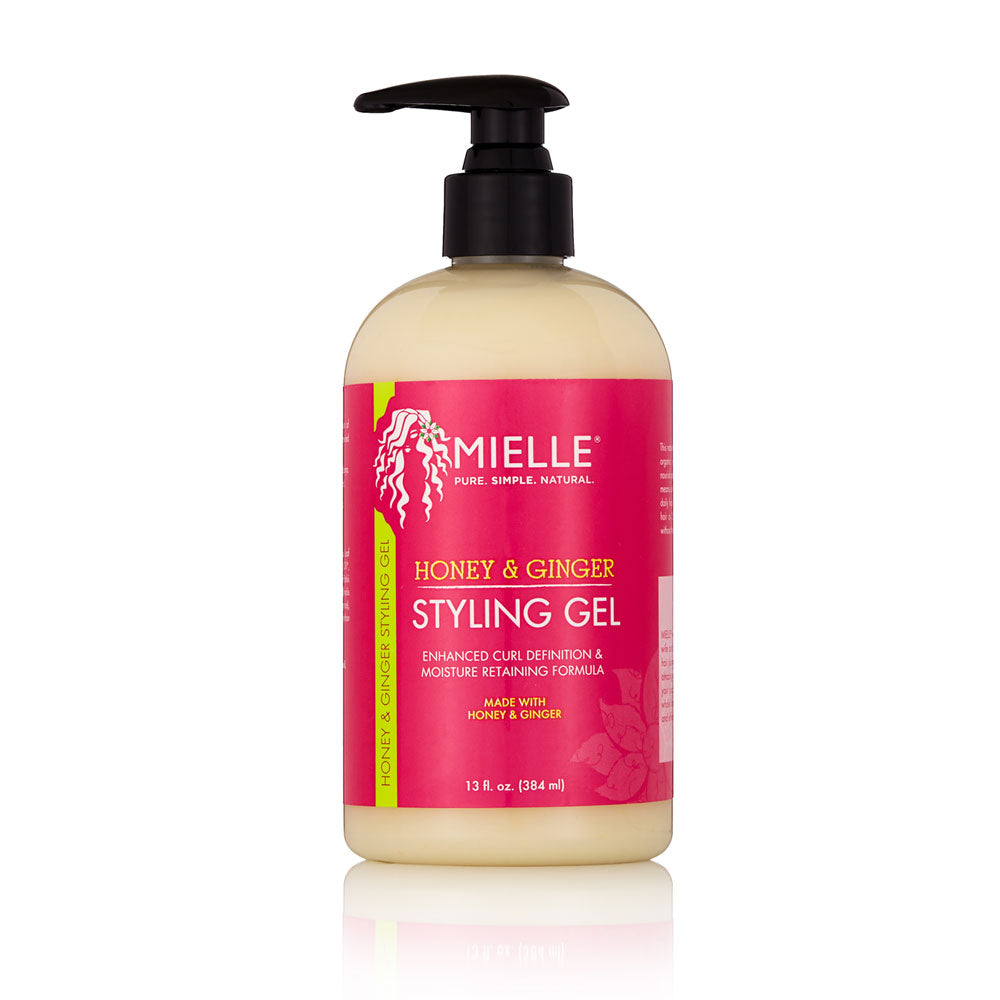

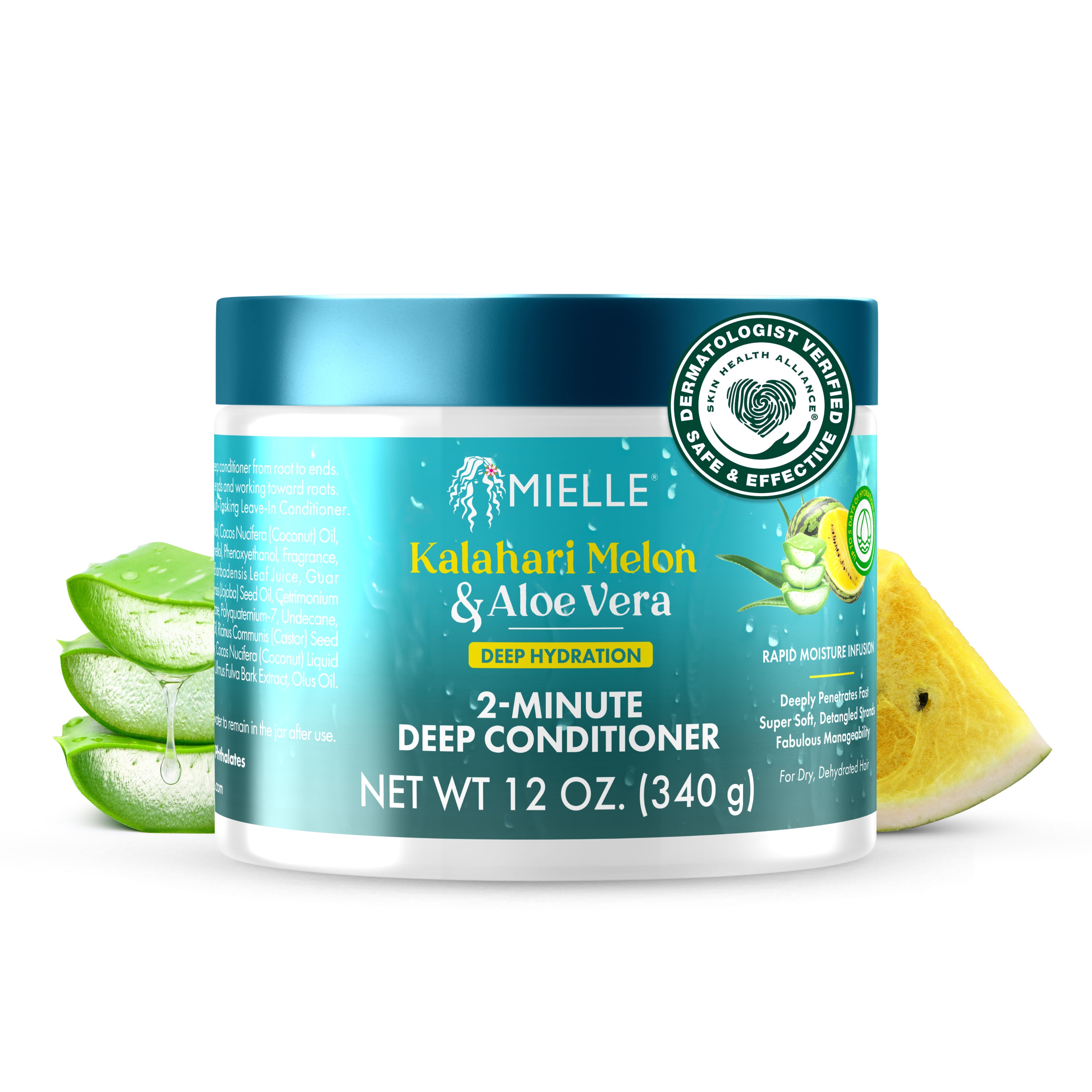
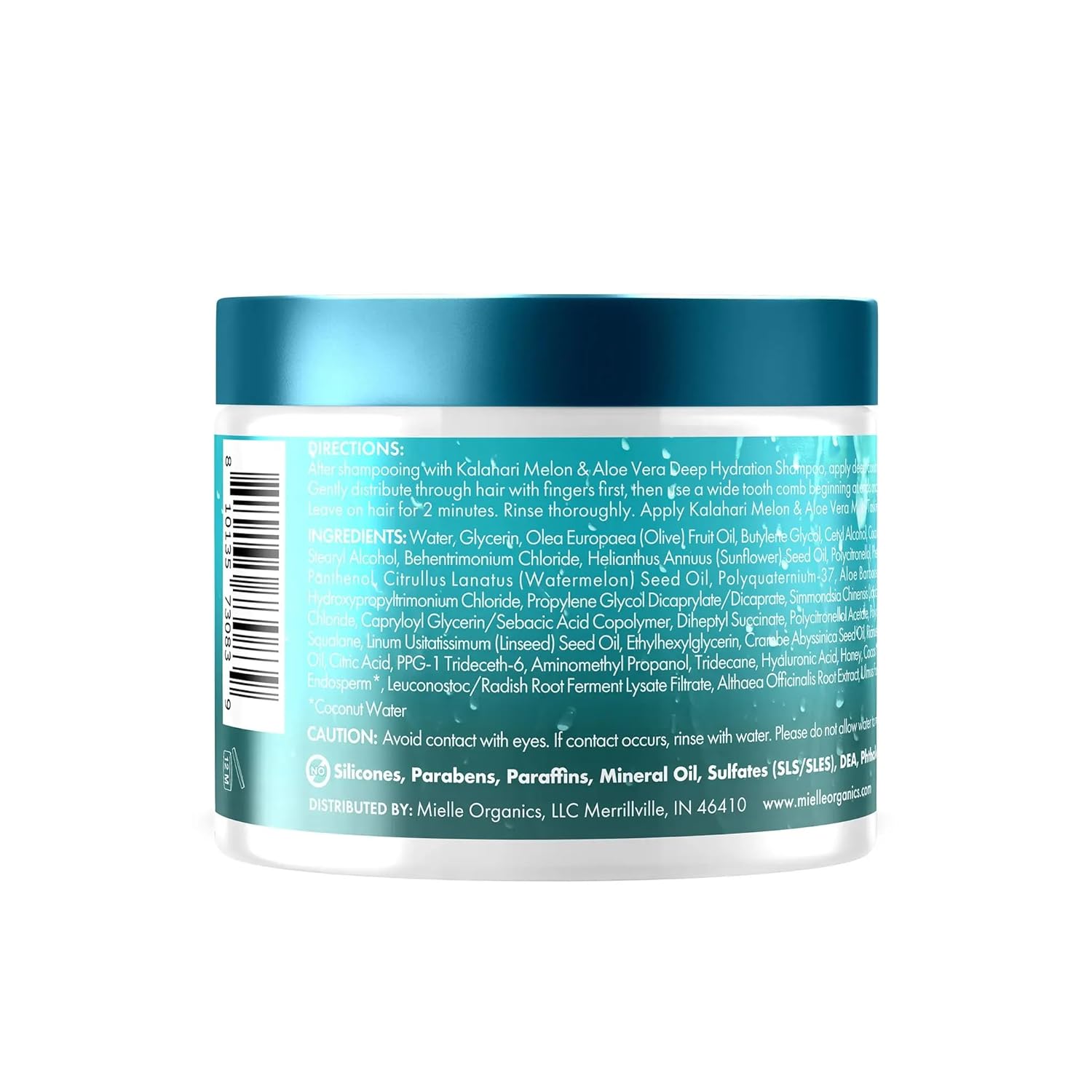
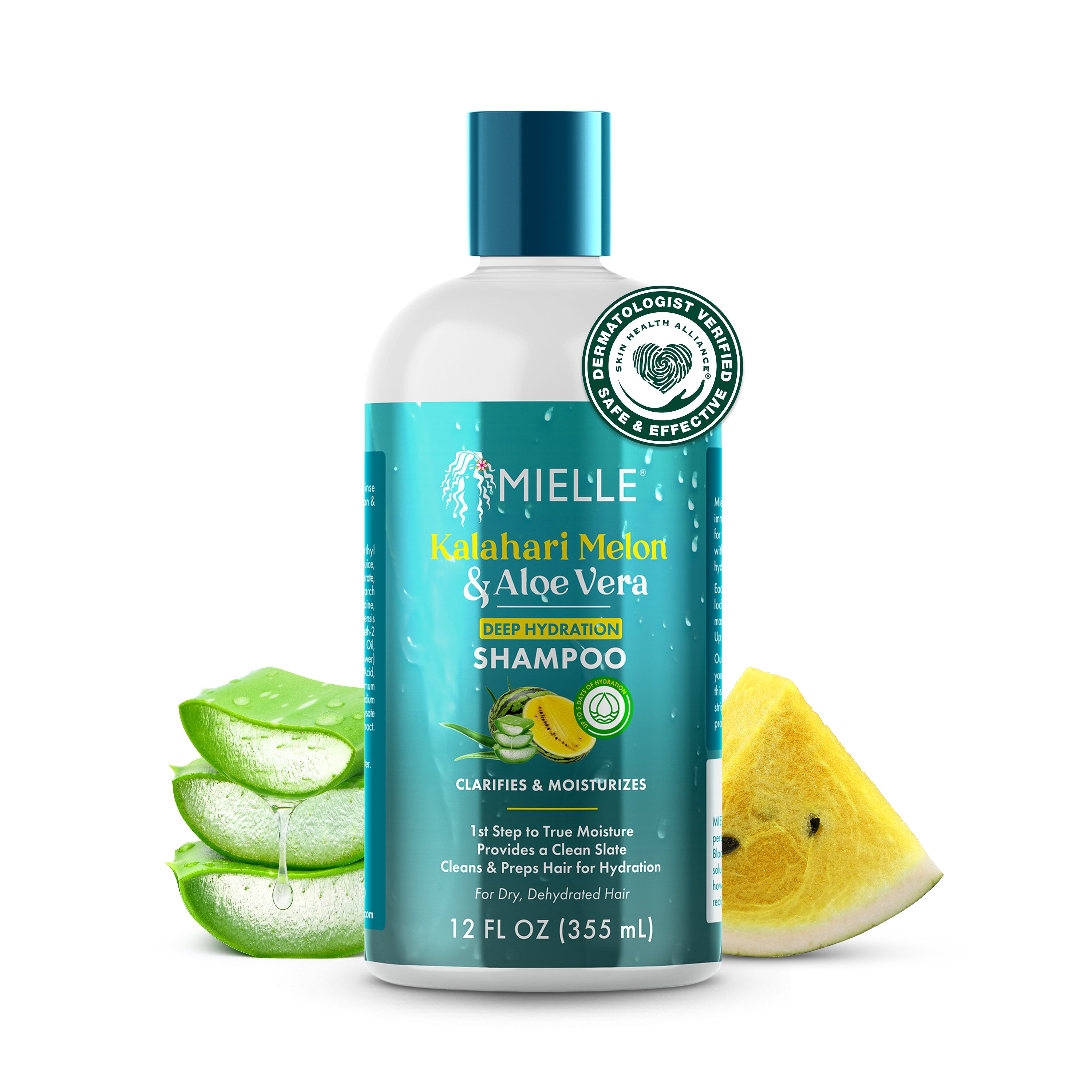
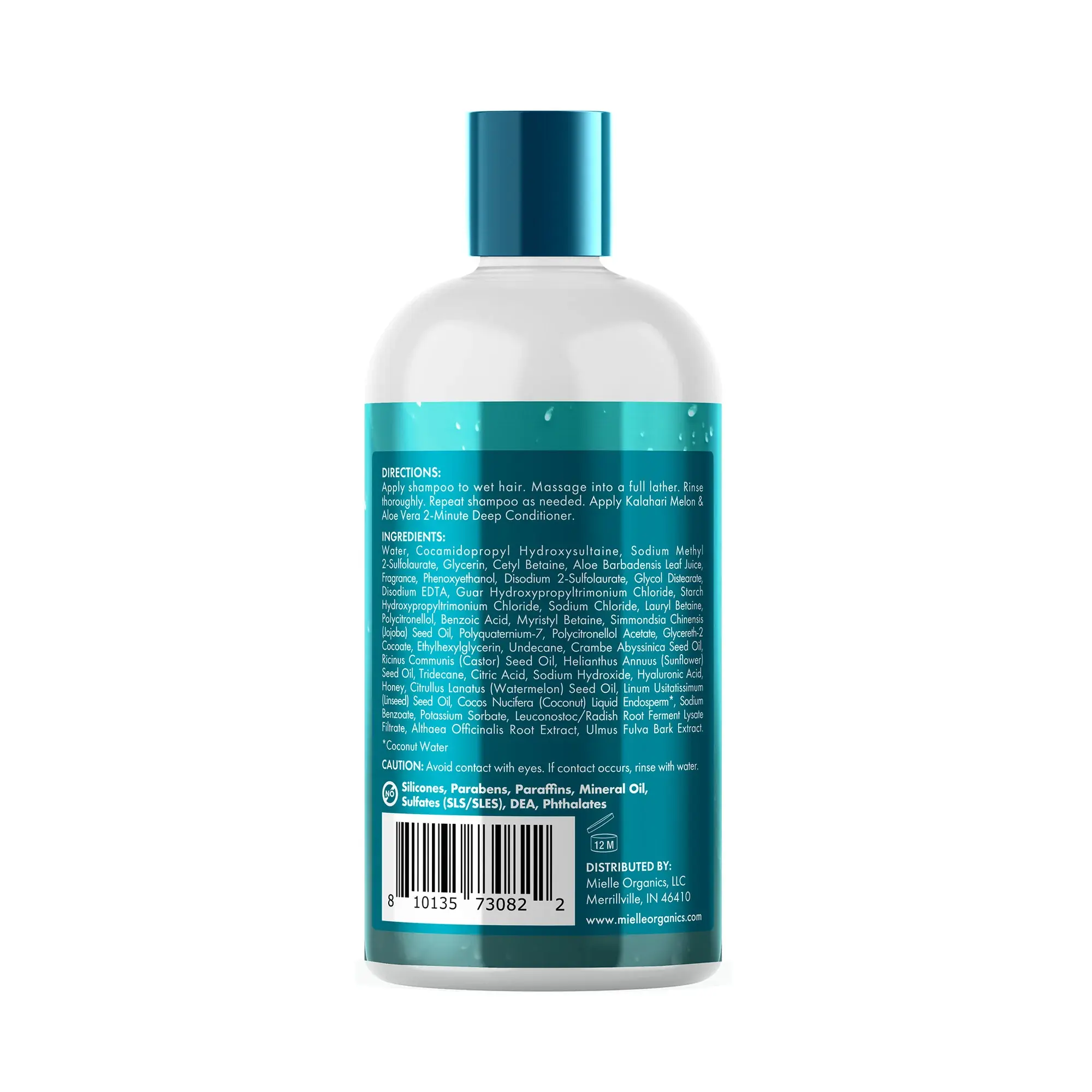

Everyone dreams of having healthy, beautiful hair — but finding the right products can feel overwhelming with so many options out there.
The key to great hair starts with understanding your hair type. Using products designed specifically for your hair's unique characteristics can be the difference between good hair days and great ones.
At Mielle, we believe that knowledge is power when it comes to haircare — which is why we’re breaking down how to identify your hair type and how to find the best hair products for you.

Know Your Curl Pattern
Your curl pattern is the foundation and very first step to understanding your hair type. The hair typing system ranges from Type 1 to Type 4, with each category having its own subcategories. Once you know what your hair needs, you can choose products that work with your texture, not against it.
Type 1: Straight Hair

Straight hair is characterized by its lack of a curl pattern, allowing it to lay flat and smooth from root to tip. Its sleek texture makes it easier for the scalp's natural oils to travel down the hair shaft, which often results in a glossy, shiny appearance. However, this also means that straight hair can be prone to oiliness, especially at the roots, while the ends may still experience dryness or slight damage over time.
Product Recommendations:
- Sulfate-free moisturizing shampoos
- Lightweight formulas and hydrating conditioners that won't weigh your hair down
- Volumizing products that add body
Type 2: Wavy Hair

Type 2 hair has a gentle to defined wave pattern and ranges from fine to coarse, with its soft, S-shaped pattern that gives it a natural bounce and texture. This hair type requires a balance of moisture and lightweight hold to enhance the wave pattern without creating frizz or weighing it down. Proper care helps define the waves, prevent flatness, and maintain a soft, touchable texture.
2A: Fine, Loose Waves
Type 2A hair features subtle, barely-there waves that are easy to straighten but can also lose their shape quickly without the right products. The texture is usually fine, which means it’s prone to becoming limp or greasy if weighed down by heavy creams or oils.
Product Recommendations:
- Sulfate-free hydrating shampoos
- Lightweight formula like mousse, foam or texturing sprays
- Diffuser on low heat
2B: Medium Waves With Some Frizz
Type 2B hair features more defined S-shaped waves that typically start from the mid-lengths and continue through the ends. Unlike 2A hair, 2B waves have more body and texture, giving them a natural beachy look. This texture is also more prone to frizz, especially in humid or damp conditions.
Product Recommendations:
- Sulfate-free hydrating shampoos
- Light gels
- Anti-frizz serums
- Wave-enhancing sprays
2C: Wavy With More Defined Waves and Frizz
Type 2C hair features the most defined wave pattern in the Type 2 category, with deep, prominent S-shaped waves that can even start at the roots. These waves are often thick and have a natural volume and texture that gives the hair a full-bodied look. Because of this more pronounced structure, 2C hair can sometimes blur the line between wavy and curly. However, along with this added definition comes a higher tendency for frizz and dryness.
Product Recommendations:
- Cream-based stylers
- Light curl enhancers or texturizing sprays
Type 3: Curly Hair

Type 3 hair is known for its well-defined curl pattern that ranges from loose, flowing curls to tight, springy ringlets. Unlike wavy hair, these curls have more structure and volume but are also more prone to dryness and frizz. Managing Type 3 hair requires a balance of moisture and definition to enhance the curl pattern while maintaining softness and preventing frizz.
3A: Loose, Large Curls
Type 3A curls are the loosest in the Type 3 category, forming well-defined, large curls. These curls have a natural bounce and shine, giving them a soft, flowing appearance. The S-pattern of 3A curls is more relaxed, which makes them easier to weigh down with heavy products but also more susceptible to losing definition in humidity or with too much handling.
Product Recommendations:
- Sulfate-free moisturizing shampoos
- Lightweight curl creams
- Medium-hold gels
- Mielle Pomegranate & Honey Curl Smoothie, which beautifies and strengthens hair while providing lost-lasting moisture.
3B: Tight Curls with More Volume
Type 3B curls are tighter and more defined than 3A curls, and form well-shaped ringlets. These curls have a noticeable bounce and springiness, which gives the hair natural volume and texture. The tighter curl pattern means that 3B hair tends to have more body and fullness but also makes it more prone to dryness and frizz. The bends and coils in the hair shaft make it difficult for the scalp’s natural oils to travel down to the ends, which can leave the hair dry and more susceptible to breakage.
Product Recommendations:
- Sulfate-free hydrating shampoos
- Heavier curl creams
- Defining gels
3C: Very Tight, Dense Curls
Type 3C curls are the tightest and most densely packed curls within the Type 3 category. These coils have a distinct, springy texture with a lot of natural volume and body. The tight curl pattern creates a beautifully full appearance, but it also means that it is more prone to dryness and shrinkage, which can lead to tangles and increased risk of breakage if the hair isn’t properly moisturized and cared for.
Product Recommendations:
- Sulfate-free nourishing shampoos
- Rich curl creams
- Stronger hold gels
Type 4: Coily/Kinky Hair

Type 4 hair has a very tight curl pattern that ranges from springy coils to zigzag patterns. This hair type typically has the most shrinkage potential (up to 75% of the actual length) and requires specialized care to maintain moisture and health.
4A: Soft, Defined Coils
Type 4A hair features well-defined, tightly coiled curls with visible curl patterns. The curls usually have a soft, springy texture and tend to retain more moisture than other Type 4 patterns but still benefit from regular deep conditioning and hydration to maintain softness and prevent frizz.
Product Recommendations:
- Sulfate-free moisturizing shampoo and a rich conditioner to nourish and soften the curls
- Curl cream or light gel to enhance definition and reduce frizz
- Mielle Rice Water Hair Moisturizing Milk for daily moisturizer and to seal in hydration
4B: Z-Shaped Curls With Significant Shrinkage
Type 4B hair represents one of the most unique and beautiful curl patterns in the natural hair spectrum. Unlike the more commonly recognized S-shaped pattern, 4B hair forms in a distinctive Z-pattern, creating sharp angles rather than rounded curves. This structural difference isn't just aesthetic; it fundamentally changes how the hair behaves, what it needs, and how it should be cared for. One of the defining characteristics of this curl type is its remarkable shrinkage capability. When dry, it can contract to 60-70% of its actual length.
Product Recommendations:
- Heavy creams
- Butters
- Custards
- Mielle Rice Water Hair Moisturizing Milk and our Pomegranate & Honey Curl Smoothie creates a perfect moisture-definition combination
4C: Very Tight, Dense Coils
Type 4C hair represents the tightest, most densely packed curl pattern on the hair typing spectrum, characterized by its springy coils that are so compact they may not display a clearly visible curl pattern without manipulation or stretching. This extraordinary hair type can experience up to an astonishing 75-80% shrinkage. The incredible density of 4C hair creates voluminous, cloud-like textures with strands that grow outward rather than downward, offering unparalleled versatility for sculptural styling. When properly hydrated, 4C hair transforms into a wonderfully soft, plush texture with remarkable elasticity and tactile richness; however, without adequate moisture, these same strands can become brittle and prone to breakage.
Product Recommendations:
- Sulfate-free creamy shampoo and heavy conditioner to keep hair hydrated
- Rosemary Mint Strengthening Leave-In Conditioner to lock in moisture
- Maximum moisture products
- Mielle Rice Water Hair Moisturizing Milk for deep hydration
Understanding Your Hair Porosity
Porosity refers to your hair's ability to absorb and retain moisture, which is equally as important as your curl pattern. When it comes to porosity, your cleansing routine is crucial and should be tailored to your specific hair type.
- Low Porosity: has tightly closed cuticles that resist moisture absorption.
- Medium/Normal Porosity: maintains a good moisture balance and accepts products easily.
- High Porosity: absorbs moisture quickly but also loses it rapidly due to raised or damaged cuticles.
Remember: that haircare is personal, and what works for someone else with seemingly similar hair might not work for you. Mielle is committed to providing high-quality products for different hair types. By understanding your hair’s unique hair characteristics, you can create a customized routine that brings out the best in your natural texture.


